

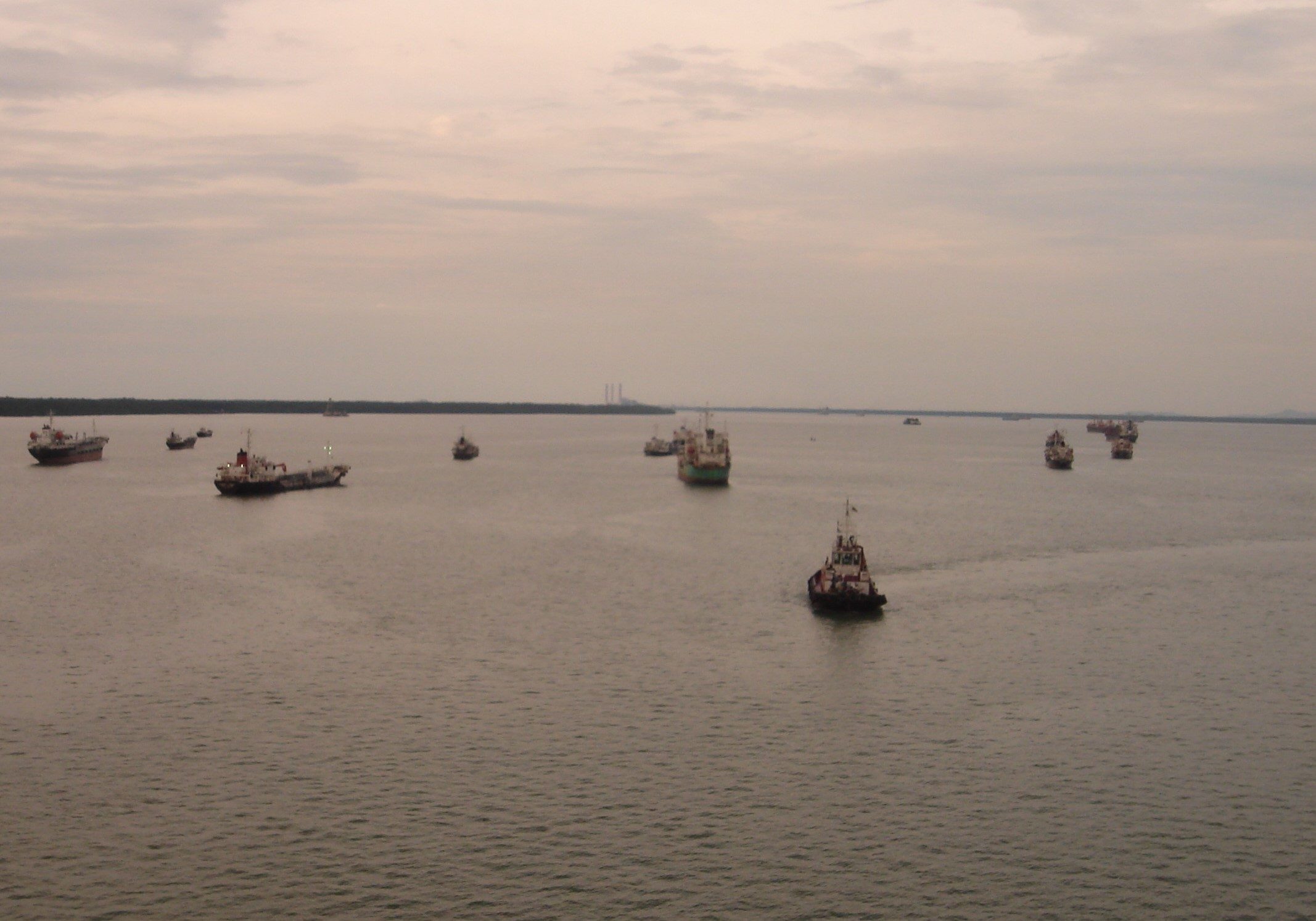
The conflict between the United States and Iran has, in just a matter of weeks, produced what the IEA has described as the largest oil supply disruption in the history of global energy markets. For those of us working in maritime operations and the marine lubricants trade, this is not an abstract geopolitical event — it is a direct and accelerating threat to the inputs that keep the world’s fleet running.
What happened, and why it matters to lubricants
Since early March 2026, Iran’s closure of the Strait of Hormuz has disrupted approximately 20% of global oil supplies, choking off the very artery through which Middle Eastern crude — the primary feedstock for base oil production — flows to the world. Tanker transits through the strait have collapsed from around 20 million barrels per day in February to just 3.8 million in early April, pushing North Sea Dated crude to $130 per barrel.
This matters for lubricants for one fundamental reason: base oils are a downstream product of crude oil refining. When crude supply tightens and refinery runs are cut, base oil availability follows. Global crude runs are expected to decline by 1 million barrels per day on average throughout 2026. Fewer barrels into refineries means fewer base oils out — and higher blending costs for everyone downstream, including marine lubricant formulators and traders.
The Asia picture: acute and immediate
In 2024, an estimated 84% of crude oil and condensate shipments through the Strait of Hormuz were destined for Asian markets. This dependency is now being felt viscerally. In Singapore — the world’s largest bunkering hub and a critical lubricant distribution centre for Asia-Pacific — the price of middle distillates has reached all-time highs above $290 per barrel. Refinery margins have surged, but the feedstock squeeze makes sustained output impossible. For ship owners and managers sourcing lubricants from Singapore or regional suppliers, lead times are already extending and spot availability is shrinking.
The Europe picture: medium-term but structural
Europe’s exposure is different in timing but not in severity. The initial disruption is expected to affect Asia most, but Europe is likely to be hit hard in the medium-to-long term. European refiners are scrambling to substitute Middle Eastern crude grades with alternatives, but capacity is constrained. Saudi crude delivered into Europe has hit a two-year high, as Arab medium grades transit Yanbu, Sidi Kerir, and Mediterranean ports as a partial substitute for lost Iraqi barrels — but Saudi pipeline capacity at Yanbu is itself limited.
For European lubricant blenders and marine suppliers, the concern is not just price — it is the availability of specific viscosity grades and Group I/II base stocks heavily sourced from Middle Eastern refineries. The rerouting of tankers, driven by concurrent Houthi activity in the Red Sea, is adding voyage time and cost to every cargo that does reach European ports.
The shipping angle: a double-edged pressure
For dry bulk operators and tanker owners, the crisis creates a paradox. Freight markets for some vessel classes have benefited from longer voyage distances and disruption-driven demand. But the operational cost side is brutal. War risk insurance premiums have surged across the region, while bunker and lubricant costs are rising simultaneously. Major carriers have already suspended Middle East routes, restructuring trade flows in ways that will ripple through lubricant demand patterns at ports worldwide for months.
The price and availability shock is already here
Let me be direct, because I am hearing this from customers every day now.
“Oil majors have increased lubricant prices by an average of approximately $0.80 per litre globally. For a managed vessel, that is not a rounding error — it is a meaningful hit to an operating budget that was fixed months ago, with no warning and no negotiation”.
But price is almost secondary to what is happening on availability. Orders are being cancelled. Not delayed — cancelled. Vessels with active supply contracts, nominated ports, and confirmed orders are being told there is no product. Quantities that were agreed are being rationed down without notice. Managers who placed orders days ahead are being left without supply at port.
I want to be honest about what this means: the contractual protections that vessel operators have relied on for years are not holding under this kind of pressure. A contract is only as good as the stock behind it, and right now, a significant portion of the market is running on empty.
If you are a technical superintendent or fleet manager reading this and recognising your own situation — you are not alone, and it is not a failing of your planning. The market has moved faster than any standard procurement cycle was designed to absorb.
What this means for those of us in the supply chain
A few practical realities are already visible. The window for securing base oil forward contracts at manageable prices is narrowing — every week of continued Strait closure compounds the tightness in Group I stocks, the backbone of marine cylinder oils. Customers under long-term supply agreements will be looking to their suppliers for stock assurance; this is precisely the moment where supply chain relationships are tested and trust is either built or broken.
Looking ahead
The IEA has stated that resuming flows through the Strait of Hormuz remains the single most important variable in easing pressure on energy supplies, prices, and the global economy. Even a peace treaty will not instantly restore the supply chain. The probability-weighted outcome remains one of prolonged disruption — months of strategic reserve rebuilding, infrastructure repair, and energy security-driven stockpiling lie ahead regardless of how the conflict resolves.
This is where preparation meets purpose
At times like this, the value of a well-positioned supply partner becomes tangible very quickly. Our team has been managing exactly this kind of pressure — maintaining secured stock in Singapore, continuously scanning the market across both majors and regional suppliers to identify available product, and proactively proposing alternative supply points to vessel managers when their nominated port cannot be served.
“This is not crisis improvisation. It is what a supply chain built for volatility looks like in practice. If your current lubricant supply arrangements are showing cracks — whether on price, lead time, or availability — we are ready to have that conversation”.