

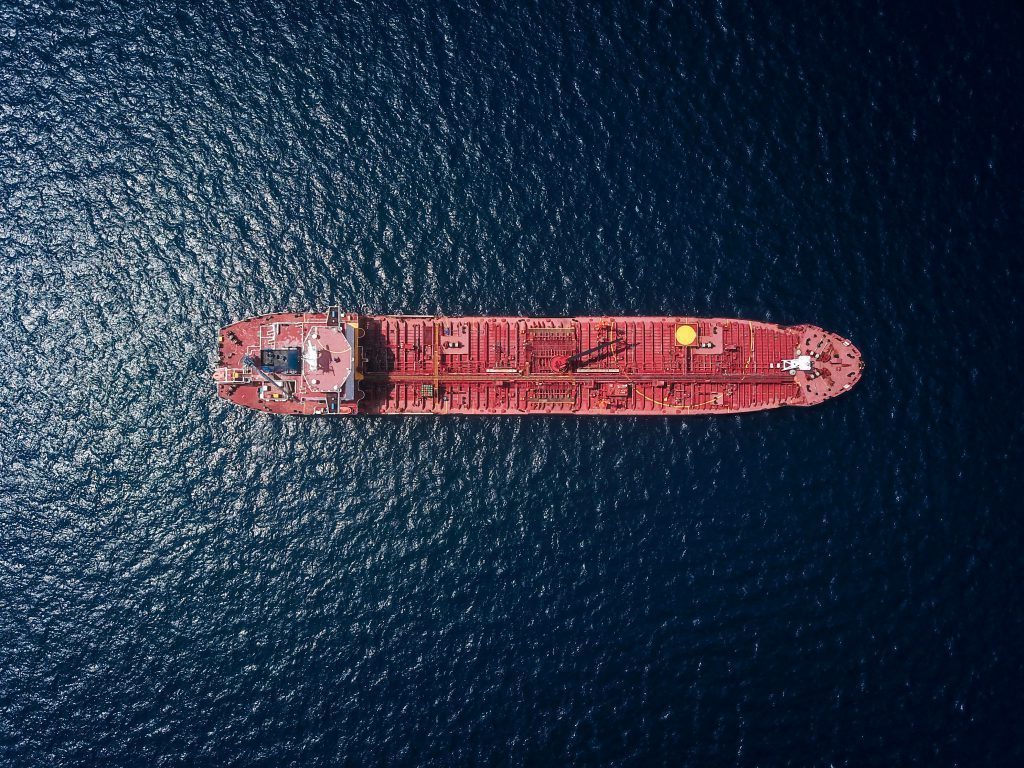
The supertankers, capable of carrying up to 2 million barrels of crude oil, are leading tanker sales and purchases in the first seven months of 2026.
VLCCs, as they are known in shipping jargon, accounted for 83 transactions, or nearly 23% of all tanker sales, a sharp increase from just 31 sales in the same period of 2025.
The surge is largely attributed to the much-discussed buying spree launched by South Korean company Sinokor in partnership with MSC. The alliance is estimated to have acquired between 60 and 70 VLCCs over a relatively short period, particularly since late 2025. The new partnership is estimated to have invested more than $6 billion over nine months, while brokers say further acquisitions could follow.
Greek shipowners have been major sellers in the trend, offloading a total of 18 VLCCs during the period, according to available data, at prices unprecedented by last year’s market standards. Dynacom, owned by George Prokopiou, led VLCC sales, selling 11 vessels, all to Sinokor. The Capital Group, owned by Evangelos Marinakis, Delta Tankers, owned by Diamantis Diamantidis, and Evalend, owned by K. Lentoudis, each sold two VLCCs, while the Chandris Group sold one.
Overall, Greek shipping companies sold 70 tankers of all types during the period, accounting for around 20% of deals completed, at a time when asset values have soared to record levels.
At the same time, Greek shipowners are investing at record levels in new tanker orders across all vessel segments.
According to a report by Xclusiv, tanker sales and purchases were significantly more active between January and July 2026 than in the same period last year, with 365 vessels changing hands, compared with 239 in 2025, representing a 53% year-on-year increase.
The age profile of vessels sold also reveals an interesting shift in market behavior. Newer vessels attracted significantly more interest, with sales of ships aged 0-5 years rising from 19 to 36, while sales of vessels aged 11-15 years nearly doubled, from 48 to 90 transactions.
Nevertheless, older vessels continued to dominate the market. Ships aged 16-20 years accounted for 157 sales, or about 43% of total transactions, compared with 110 in the same period of 2025. Including all vessels aged over 16 years, a total of 207 tankers changed hands this year, representing nearly 57% of total S&P activity.
This shows that demand for older vessels remains highly resilient despite increasingly stringent environmental regulations and the aging of the global fleet.
On the buyers’ side, a large share of acquisitions — 171 vessels — involved undisclosed interests, accounting for nearly 47% of all recorded purchases, significantly higher than the 70 vessels with undisclosed buyers recorded last year.
South Korean interests emerged as the most active buyers, with 58 acquisitions, followed by “other buyers” with 52, Greek shipowners with 47 and Chinese buyers with 37.
Greek investors maintained exactly the same pace of purchases as in 2025, pointing to a disciplined investment strategy despite the significantly stronger overall market.
On the sellers’ side, Greek shipowners once again dominated, selling 70 tankers, compared with 49 in the same period of 2025. This means Greek interests accounted for nearly one in five tanker sales worldwide, comfortably retaining their position as the largest sellers.
Singaporean shipowners also sharply increased their sales, while Chinese sales posted only a modest rise.
Source: Naftemporiki