

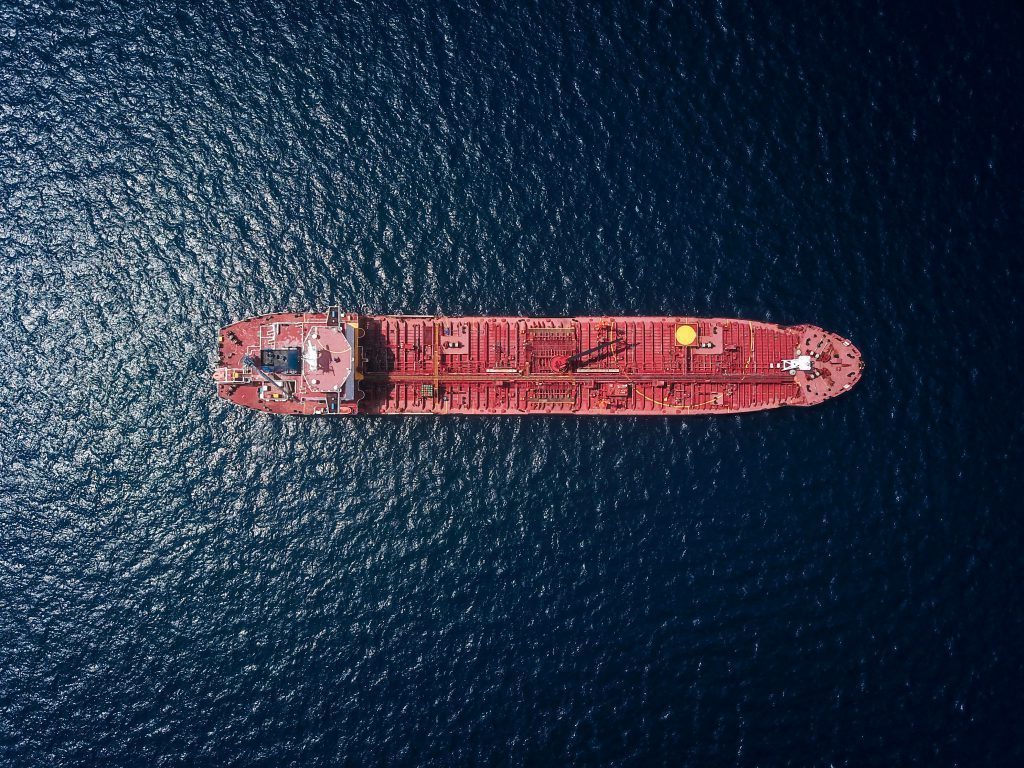
The tanker market is facing three simultaneous, unprecedented disruptions in global crude supply.
According to Maria Bertzeletou, Chief Analyst at Signal Group, these events involve three separate regions:
- Russia: Baltic Sea terminals have been hit by attacks from Ukrainian drones, affecting Ust-Luga and Primorsk on Russia’s Baltic coast. These incidents have temporarily halted around 40% of Russia’s seaborne oil exports, prompting Russian producers to consider invoking force majeure clauses for shipments from Baltic ports.
- Strait of Hormuz: This key export route remains effectively closed amid the ongoing U.S.–Iran confrontation, disrupting one of the world’s most critical crude shipping corridors.
- Iraq: Oil production has dropped nearly 80% since the U.S.–Iran conflict escalated, with southern fields producing just 800,000 barrels per day. Total offline capacity has reached 3.5 million barrels per day, as storage tanks near full capacity.
Market Impact
In the freight market, it is crucial to distinguish between charter rates and actual market activity.
Despite exceptionally high VLCC earnings, loading activity in the Arabian Gulf has effectively stalled. Fixture activity from the Gulf operates at a fraction of the normal level for this season. Most owners with vessels in or near the Gulf are refusing to participate—either awaiting clarity on U.S.–Israel–Iran negotiations or facing insurance restrictions, as war-risk policies do not cover passage through the Strait of Hormuz.
Bertzeletou also noted that since March 28, when the Houthis entered the conflict with ballistic missile attacks on Israel, a pattern of escalation has emerged through repeated launches.
The latest attack—part of a continuing series, reportedly coordinated with Iran and Hezbollah—combined with explicit warnings against U.S. or Israeli operations through the Red Sea, signals both a geographic and operational expansion of the conflict.
Source: Naftemporiki