

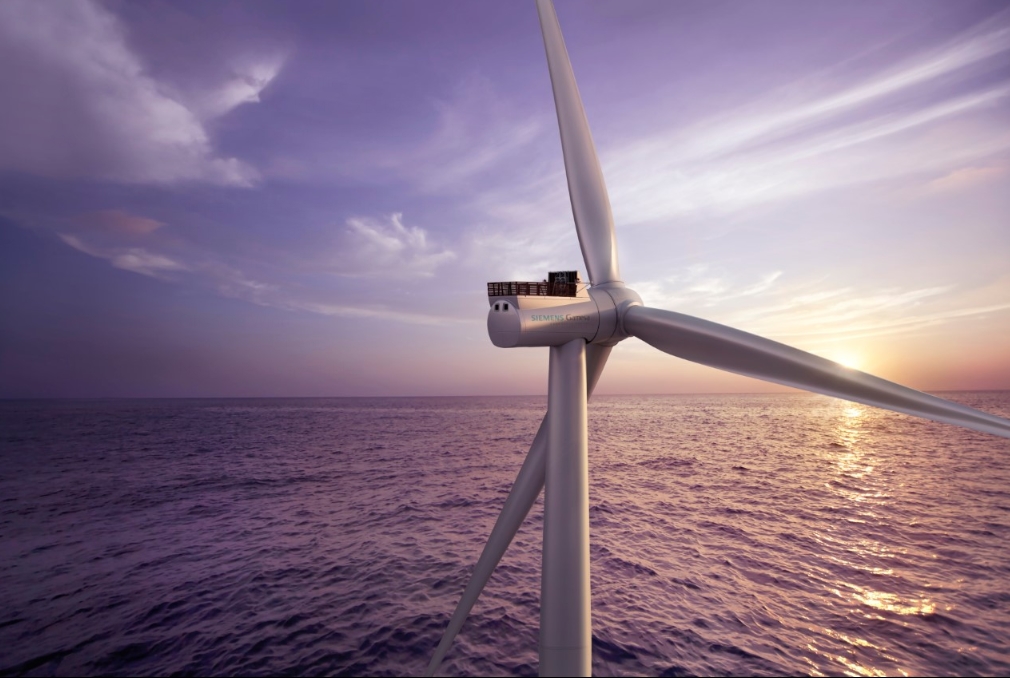
Developed by Skyborn Renewables (Skyborn), Fyrskeppet is one of the largest planned offshore wind projects in Sweden. Under the conditions outlined in the Government’s decision, the fully developed wind farm is expected to have an installed capacity of approximately 1,400 MW and generate around 5 TWh of renewable electricity annually. This would provide enough electricity to power approximately one million households and make a significant contribution to meeting rapidly growing electricity demand in the Uppsala and Stockholm regions.
According to several long-term outlooks, Sweden’s electricity consumption is expected to double by 2045, increasing from today’s approximately 140 TWh. At the same time, electricity demand in the Uppsala and Stockholm regions is projected to increase by around 30 and 40 % respectively, driven by transport electrification, industrial decarbonisation and the establishment of new energy-intensive industries, including AI and datacentres.
“The decision on Fyrskeppet is very welcome and represents an important step forward for Sweden’s electrification and energy security. Uppsala and Stockholm are facing a substantial increase in electricity demand over the coming decades, and Fyrskeppet can play a vital role by delivering large volumes of renewable electricity where it is needed most,” said Niclas Broman, Managing Director of Skyborn Sweden.
The Government’s approval enables Skyborn to continue developing the project. At the same time, the conditions attached to the permit will need to be analysed in detail to fully assess their implications for the project’s design, feasibility, and timeline.
Despite today’s positive decision, significant challenges remain before large-scale offshore wind investments can be realised in Sweden.
“The Government’s approval does not automatically mean a project can be built. Sweden currently lacks the investment framework available in several other European markets. If offshore wind projects are to translate into actual investments, jobs and new electricity generation, a risk-sharing mechanism will be required, for example through two-sided Contracts for Difference (CfDs) and state-backed credit guarantees that reduce investment risk and unlock project financing,” said Niclas Broman.
“Offshore wind is a critical component of both Europe’s and Sweden’s energy transition, particularly as we face what could become the most significant energy challenge in decades. The approval of Fyrskeppet strengthens the conditions for investment, electrification and industrial competitiveness, while also enhancing Sweden’s energy security and reducing our vulnerability in an increasingly uncertain geopolitical environment,” he added.
At the same time, Skyborn regrets the Government’s decision today to reject eleven offshore wind projects across Sweden, including the company’s Eystrasalt and Polargrund projects.
“Sweden faces growing electricity demand and will need a broad mix of power generation technologies to meet future needs. We therefore regret that a significant number of offshore wind projects, which could have contributed substantial volumes of renewable electricity to the Swedish power system, have not been given the opportunity to move forward,” said Niclas Broman.